
The German Society for Computer- and Robot-Assisted Surgery (CURAC) supports scientific research and its practical implementation in the field of computer- and robot-assisted surgery.
Relations between
The German Society for Computer- and Robot-Assisted Surgery (CURAC) supports scientific research and its practical implementation in the field of computer- and robot-assisted surgery.
Relations between
are established and deepened.
At the annual CURAC meeting, the current research results of German institutes in this field are presented and new research fields and goals are discussed and defined. Subsequently, the CURAC members work in different work groups to realize these goals. Working groups an der Umsetzung dieser Ziele.
The CURAC follows a mission.
As engineering scientists and medical researchers, society expects us to develop disruptive solutions that go beyond the current thinking and the practice of clinical routine but also in industry. In the public eye, modern computer- and robot-assisted treatment approaches are often perceived as already available. Excessive expectations of the new "high-tech" treatment methods are fueled. However, the path from basic research to clinical application is complex and risky and often requires long periods of time. New diagnostic and treatment methods must be transferred into clinical routine in order to achieve sustainable improvements for patients and society and to enable acquisition of scientific knowledge. Translation is very complex and requires teams of engineers, clinicians and pre-clinicians, statisticians, health economists, sociologists, and ethicists. Their cooperation must be ensured financially and by infrastructure for longer periods of time. Only if we manage to bring our ideas to the clinic we will remain relevant to the clinical disciplines.
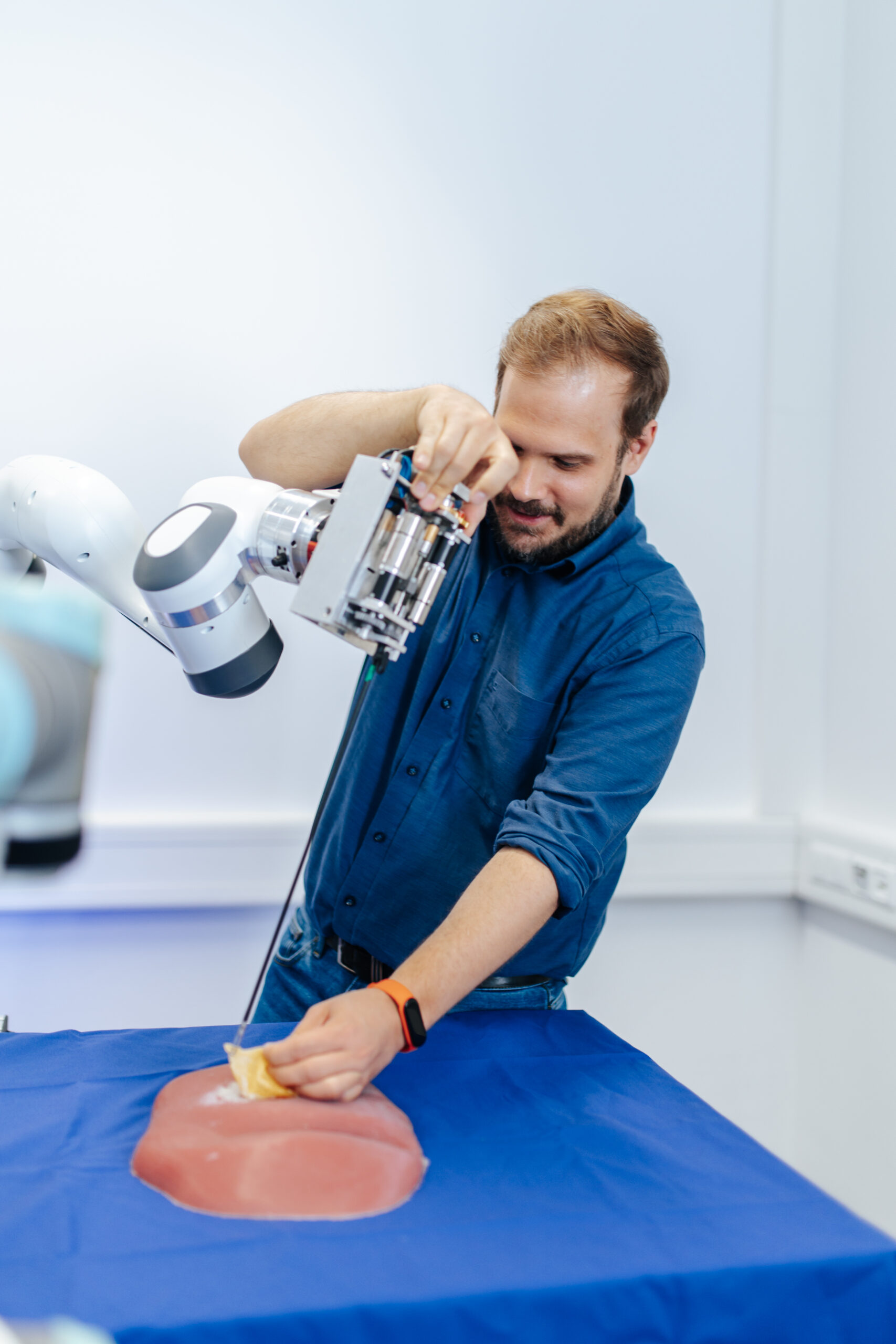
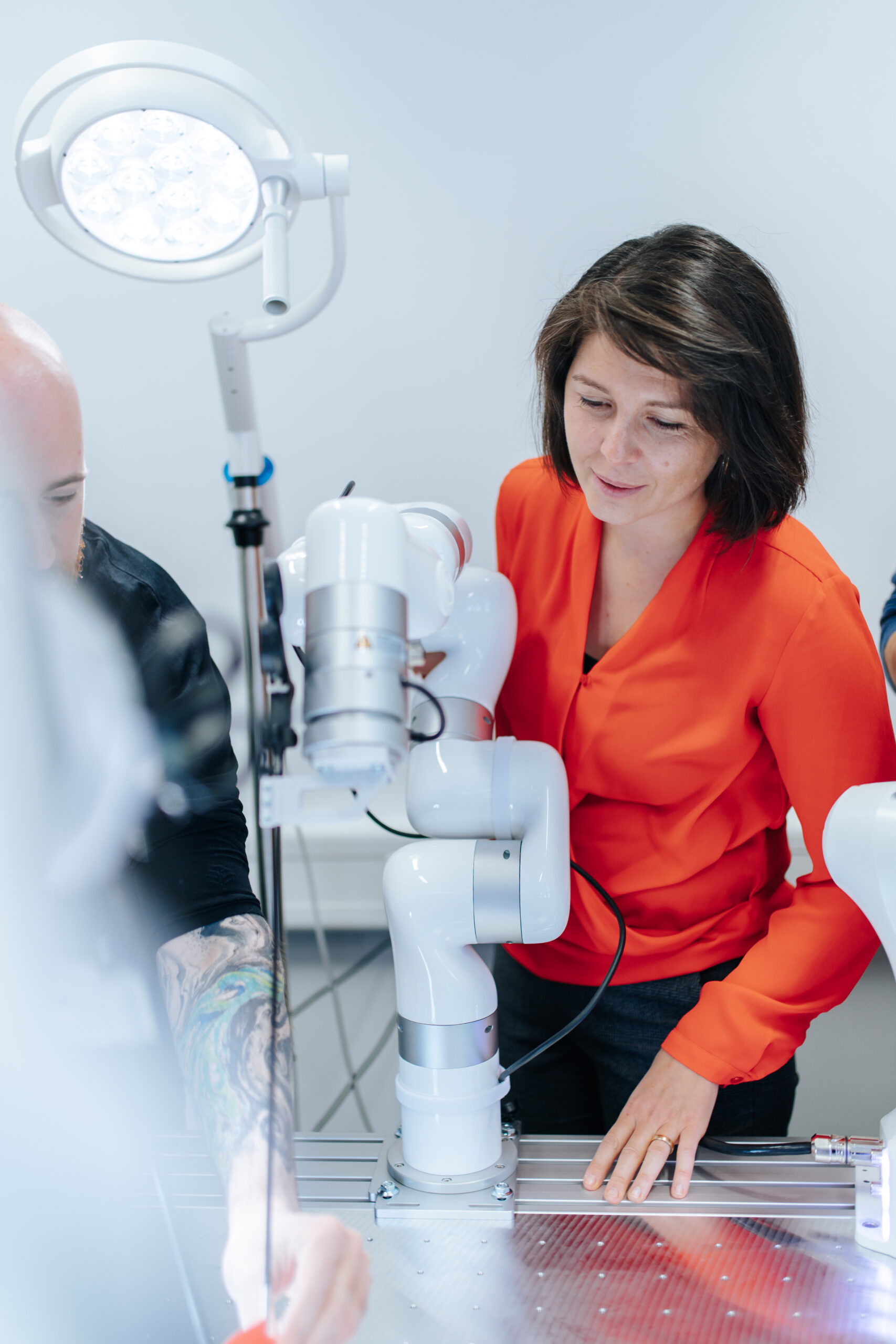
To motivate, to accompany and to critically analyze this translation process, that should be the aim of our scientific society. In this sense, we must already reflect today what may come after the solutions propagated by us.
Promoting translational research in academia requires courage and risk-taking. Courage to go for ways that have not yet gone and risk-taking to fail. This not only applies to us researchers themselves, but also to our deans and presidents, our universities and society that ultimately funds the research. Only with courage and risk-taking will we gain new insights, develop better medical procedures and contribute to growth and innovation.
Our CURAC can and should play a pioneering role here and support all of us in contributing further and deeper into our research into translational claims.
The society is composed of
The steering committee consists of the executive board and the scientific advisory board.
Anyone who is either scientifically or practically involved in computer- and robot-assisted surgery or therapy or who is interested in the topic can become a member of CURAC.
The CURAC supports working groups that deal with special issues or concerns of the society. Interested CURAC members may actively participate in the working groups.
Klinik und Poliklinik für Chirurgie, Klinikum Rechts der Isar, München

Dep. Artificial Intelligence in Biomedical Engineering (AIBE)
Friedrich-Alexander-Universität Erlangen-Nürnberg
Medizinische Robotik und Mechatronik am Departement Biomedical Engineering der Universität Basel
AI in medical applications
Schleswig-Holstein University Hospital
Forschungszentrum Computer Assisted Medicine (CaMed), Hochschule Reutlingen
Klinik für Hals-Nasen-Ohrenheilkunde, Universitätsklinikum Düsseldorf
Radiologie, Inselspital, Universitätsklinik Bern, Schweiz

AG Künstliche Intelligenz in der Kardiovaskulären Medizin, Universitätsklinikum Heidelberg
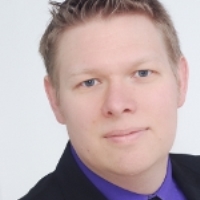
Institut für Mechatronische Systeme, Leibniz Universität Hannover
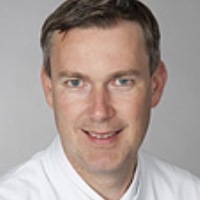
Ärztlicher Direktor Klinikum im Friedrichshain, Chefarzt Klinik für Neurochirurgie

Dep. Artificial Intelligence in Biomedical Engineering (AIBE), Friedrich-Alexander-Universität Erlangen-Nürnberg
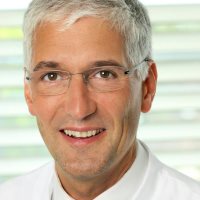
Chefarzt, Klinik für Allgemein-, Viszeral- und Gefäßchirurgie, Helios Klinikum Pforzheim GmbH
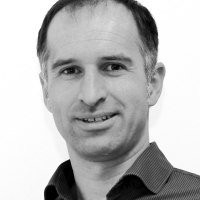
Institute of Medical Technology and Intelligent Systems, Hamburg University of Technology (TUHH)
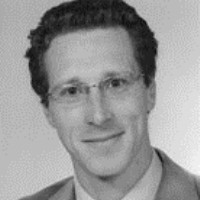
JADE Hochschule, Wilhelmshaven

Klinik für Hals-, Nasen- und Ohrenheilkunde am Universitätsklinikum Heidelberg
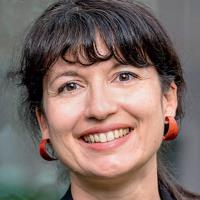
Nationale Centrum für Tumorerkrankungen Dresden (NCT/UCC), Translationale Chirurgische Onkologie

Institut für Minimal-invasive Interdisziplinäre Therapeutische Intervention, Klinikum rechts der Isar, Technische Universität München

Universität Leipzig, ICCAS, Modellbasierte Automatisierung und Integration

Universitätsmedizin Mainz, Neurochirurgische Klinik und Poliklinik

Universität Stuttgart, Institut für Medizingerätetechnik

ARTORG Center for Biomedical Engineering Research,
Universität Bern

Friedrich-Alexander-Universität Erlangen-Nürnberg, Department of Computer Science, Erlangen

B. Braun New Ventures GmbH, Freiburg i. Br.
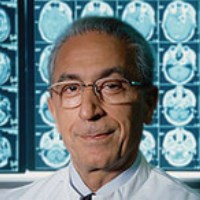
International Neuroscience Institute (INI)
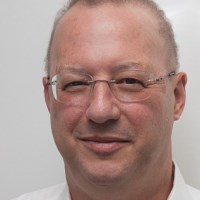
Brigham and Womans Hospital Boston
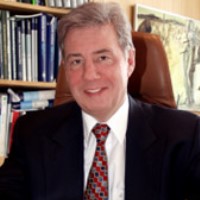
International Neuroscience Institute (INI), Hannover

Klinikum rechts der Isar, München
The technical work in the CURAC is realized by working groups. Interested CURAC members, who wish to actively participate in these working groups, are asked to contact the respective head of the working group.
Wolfram Lamadé
Engagement für einen zukunftsfähigen regulatorischen Rahmen
Seit vielen Jahren setzt sich Prof. Wolfram Lamadé intensiv für die Belange der klinischen Medizin im Kontext der Medical Device Regulation (MDR) ein. Wie bereits mehrfach in unserem Newsletter berichtet, hat die MDR erhebliche Auswirkungen auf die Verfügbarkeit wichtiger Medizinprodukte, insbesondere aufgrund der komplexen Re-Zertifizierungsverfahren und des Wegfalls zahlreicher Bestandsprodukte.
Angesichts wachsender Kritik aus Kliniken, Herstellern und Fachgesellschaften und der drohenden Versorgungslücken bei essenziellen Medizinprodukten gelang es, den Gesetzgebungsprozess erneut zu öffnen. Eine Novellierung befindet sich in Vorbereitung, flankiert von Übergangsfristen:
Unter der Bedingung, es liegt ein Antrag bis 26. Mai 2024 vor und es gibt einen Vertrag vor Sept 2024 mit der benannten Stelle, dann:
Bis zum 06. Oktober 2025 war die Öffentlichkeit, insbesondere Angehörige der Gesundheitsberufe, Patientenvertreter und Industriepartner, aufgefordert, Stellungnahmen zur MDR einzureichen. Nun bleibt abzuwarten, wie die Europäische Kommission die eingegangenen Vorschläge aufgreift und welche konkreten Anpassungen daraus entstehen.
Hintergrundgespräche im Europäischen Parlament – Brüssel
„The Future of the Medical Device Regulation (MDR)” Stakeholder-Dialog, Landesvertretung Baden-Württemberg, 23.05.2025
Teilnehmende u. a.: Michael Kleiner (Ministerialdirektor, Wirtschaftsministerium BW), Leonie Dirks (Ministerialdirektorin, Sozialministerium BW), sowie zahlreiche Vertreter europäischer Gesundheitsministerien, Kliniker und Unternehmensdelegationen – darunter Florian Brunschoen, Alexander Reiprich, Uwe Spetzger, Wolfram Lamadé, Folker Spitzenberger, Martin Leonhard, Peter Bischoff-Everding, Csaba Kontor.
Zielsetzung des Dialogs
Die Europäische Kommission verfolgt eine gezielte Überarbeitung der MDR, um
Im Mittelpunkt steht die Frage, wie der ursprüngliche Gedanke der Verordnungen – Sicherheit und Innovation – wieder in Balance gebracht werden kann.
Einreichung von Stellungnahmen war bis 6. Oktober 2025 möglich: »Medical devices and in vitro diagnostics – targeted revision of EU rules« (öffentliche Konsultation der EU-Kommission)
Plenardiskussion im Rahmen der CURAC
Moderation: Prof. Wolfram Lamadé, Chirurgischer Chefarzt
Gesprächspartner:
Alle Teilnehmenden sind tief in Entwicklung, Zulassung und Evaluierung von Medizinprodukten verwurzelt und gewährten einen vielschichtigen Einblick in den aktuellen Stand der MDR.
Zentrale Ergebnisse der Diskussion
Regulierung im Spiegel größerer gesellschaftlicher Fragen
Im Rahmen der Gespräche wurden grundlegende – teils philosophische – Fragen aufgeworfen, die weit über den regulatorischen Rahmen hinausreichen:
Schlüsselfragen
Schlussfolgerung
Get active! Auf allen Ebenen: medizinisch, regulatorisch, gesellschaftlich.

Based on the lively participation of young scientists in the Junior Panel at the last CURAC Annual Conference 2023, we,
founded the “Young Surgineers” working group.
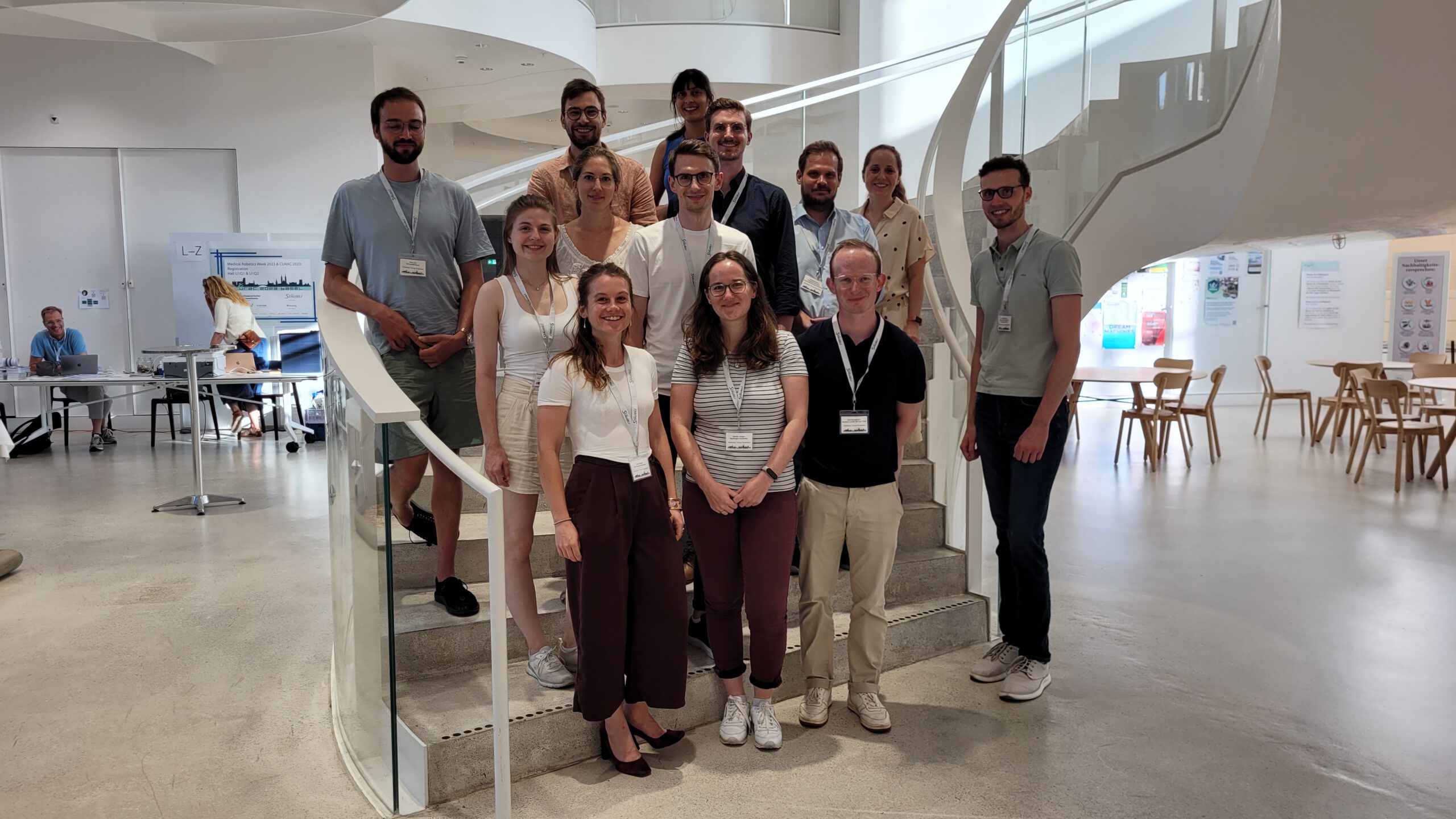
By developing a deeper understanding of the possibilities, needs and limitations of each other's disciplines, the working group aims to create a space for identifying medical technology problems and jointly developing new solutions.
With the “Young Surgineers” we would like to offer the young scientists in our community a platform for networking and dialog, be it on general questions relating to the topic of doctorates and personal careers in science, clinics or industry, on their own research, or even on further research projects and the search for fellow campaigners (publications, applications, etc.).
All interested scientists (postdocs, professors, etc.) from the CURAC community are welcome to participate. However, the special focus of our working group should be on the young scientists among us.
The first planned meeting will take place as part of a workshop day on 23.08.2023 in Basel, and will provide a direct technical and thematic introduction to the CURAC Annual Conference (24.08.2023-26.08.2023). Participation in the workshop is free of charge and therefore does not entitle the participant to attend the CURAC Annual Conference. Registration for the workshop is possible via the CURAC Annual Conference website.
As part of our workshop, we first want to present our respective research priorities in focus groups and work out concepts where synergies can be identified and further developed into joint, new research ideas.
We would like to end the day with a dinner together with you.
If you are interested in the “Young Surgineers” working group or our workshop, you are welcome to contact us at any time using the e-mail addresses provided. We look forward to a lively participation and to getting to know you!
The CURAC logo can be downloaded here.

You need to load content from reCAPTCHA to submit the form. Please note that doing so will share data with third-party providers.
More InformationYou are currently viewing a placeholder content from Turnstile. To access the actual content, click the button below. Please note that doing so will share data with third-party providers.
More InformationYou are currently viewing a placeholder content from OpenStreetMap. To access the actual content, click the button below. Please note that doing so will share data with third-party providers.
More InformationYou are currently viewing a placeholder content from Google Maps. To access the actual content, click the button below. Please note that doing so will share data with third-party providers.
More Information EN
EN  DE
DE